
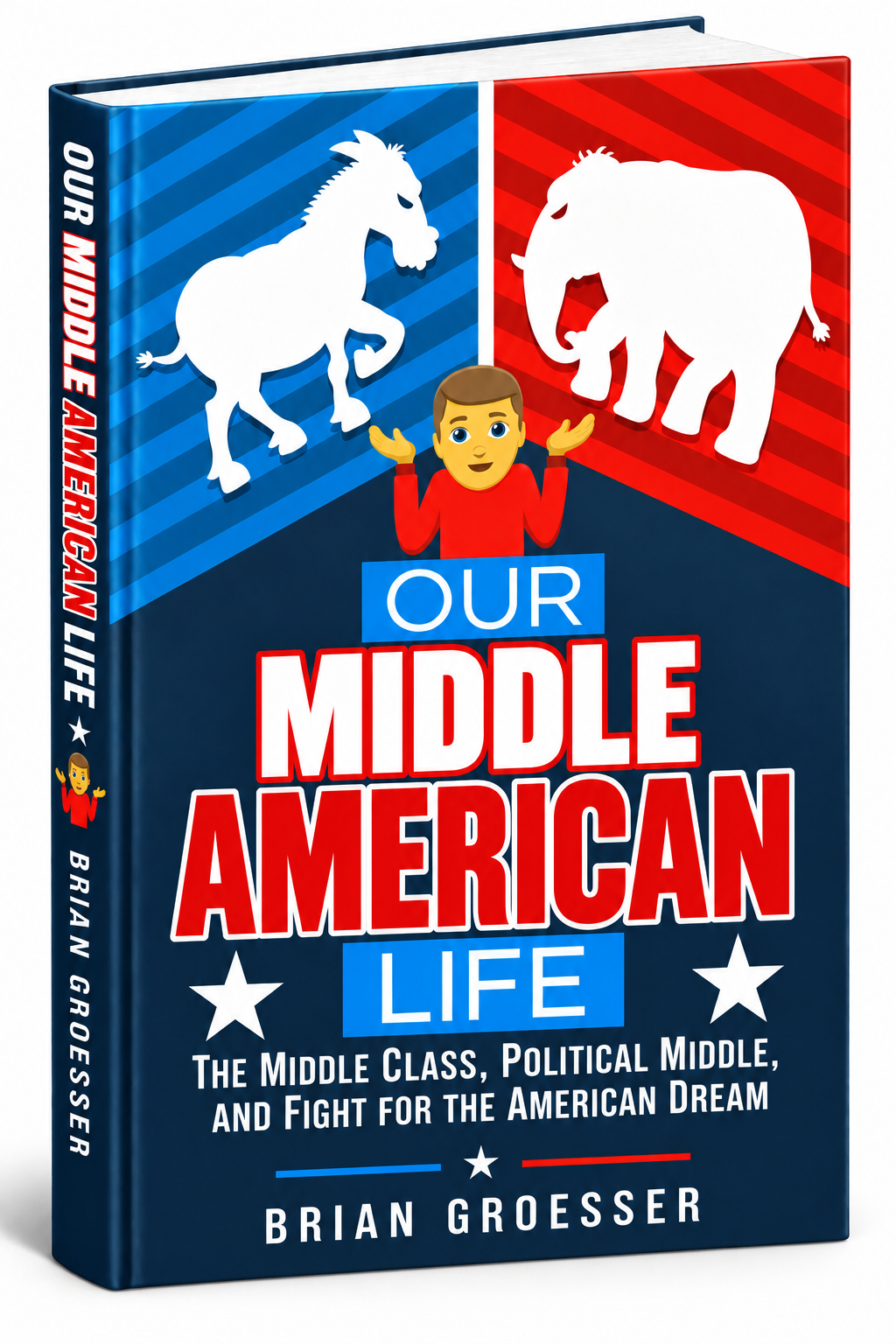
Our Middle American Life
What if the political middle stopped waiting to be represented?
By Brian Groesser
We have spent decades waiting for the right president, party or election to fix what feels broken in American politics.
What if we've been waiting for the wrong thing?
Our Middle American Life is a deeply personal examination of America's political and economic middle—and an argument that the people who feel least represented by our political system may have far more power to change it than they realize.
THIS ISN'T A BOOK ABOUT FINDING THE PERFECT POLITICIAN.
It's about what happens when citizens stop waiting for one.
Brian Groesser has spent much of his adult life politically independent.
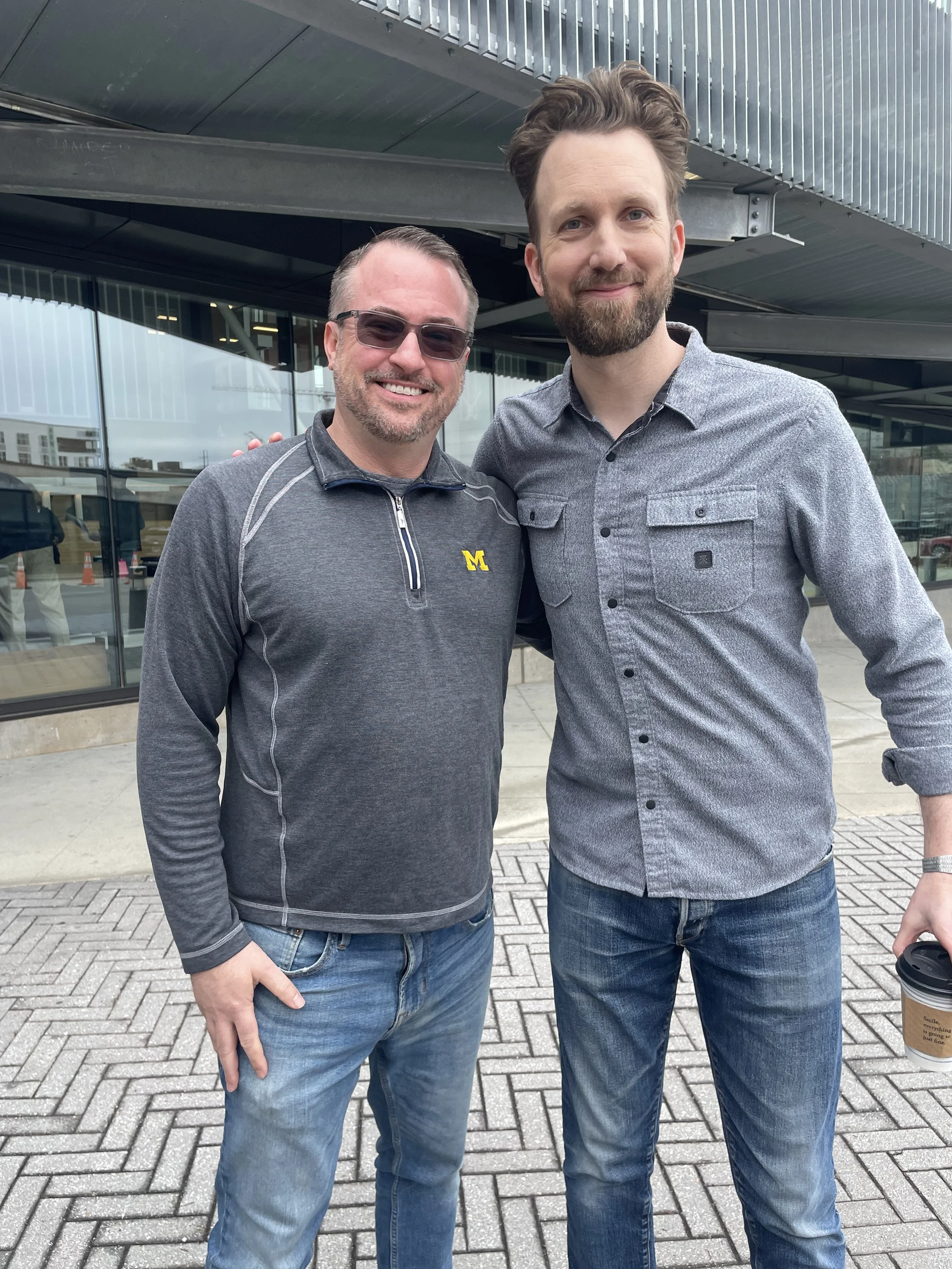
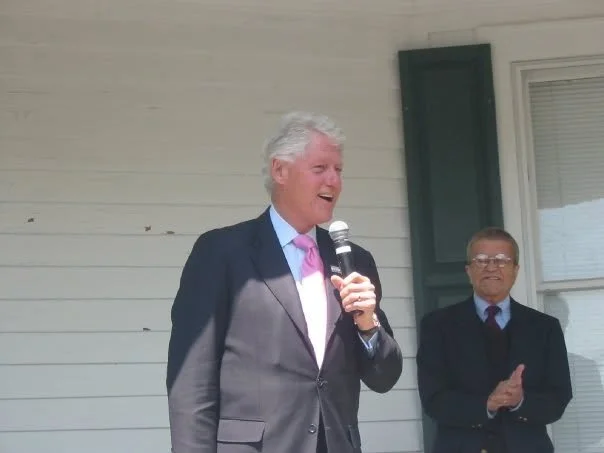
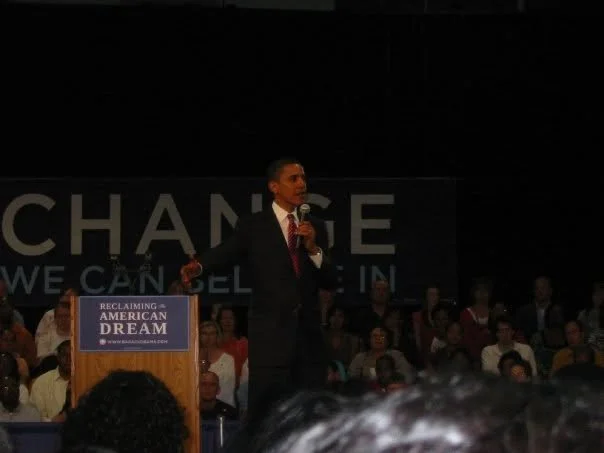
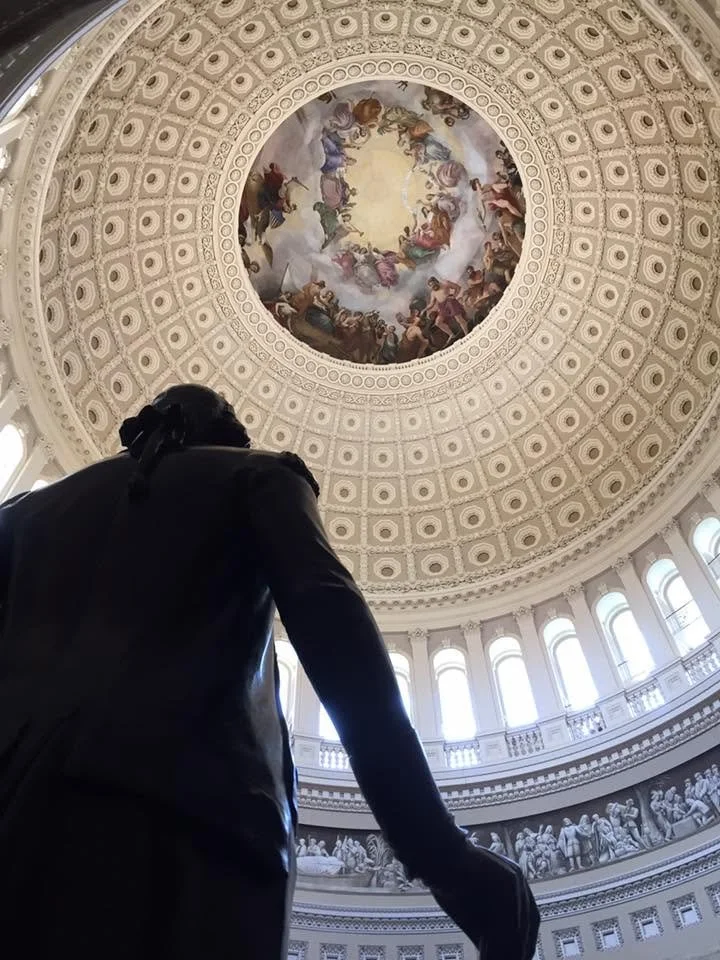
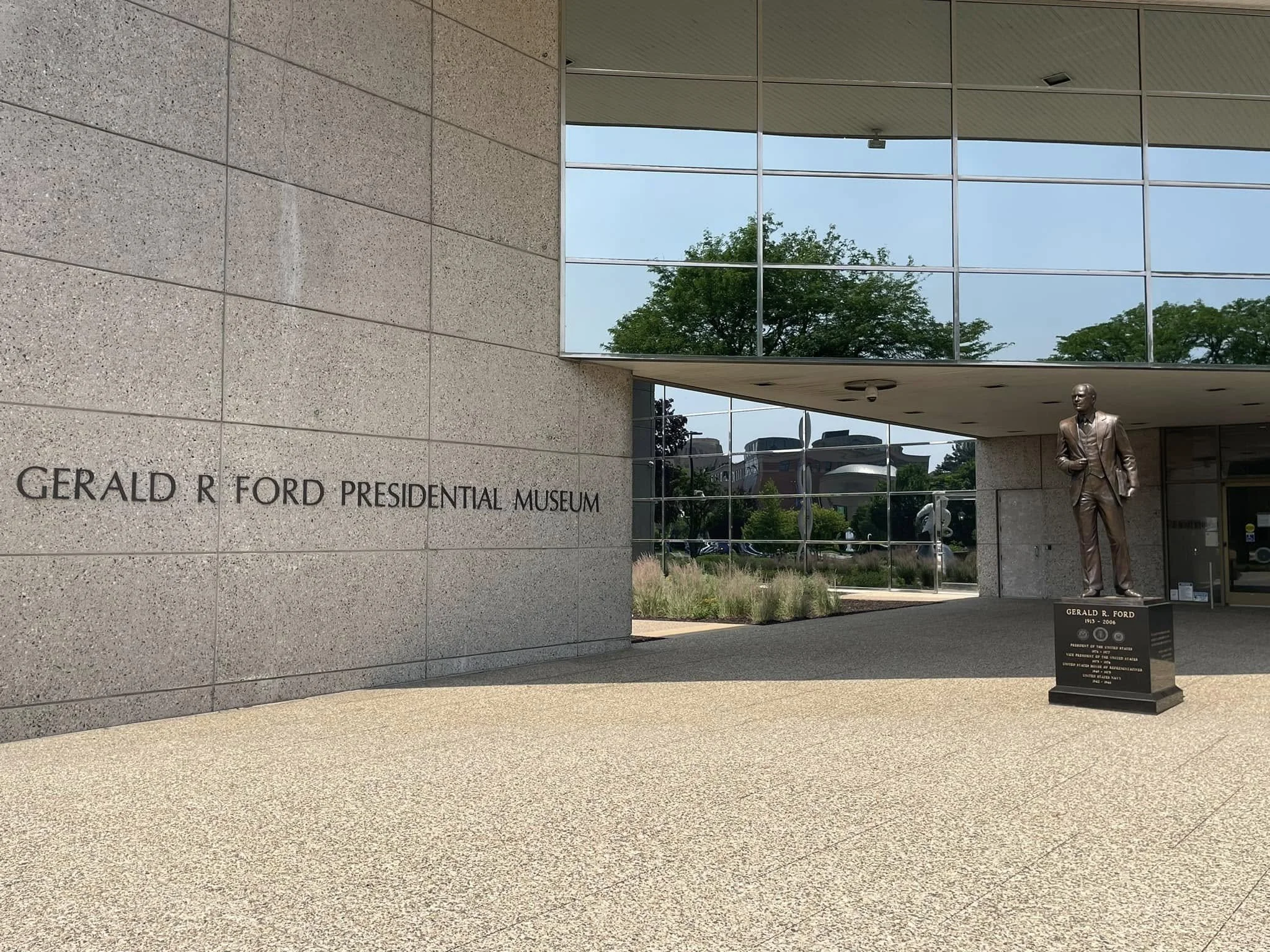
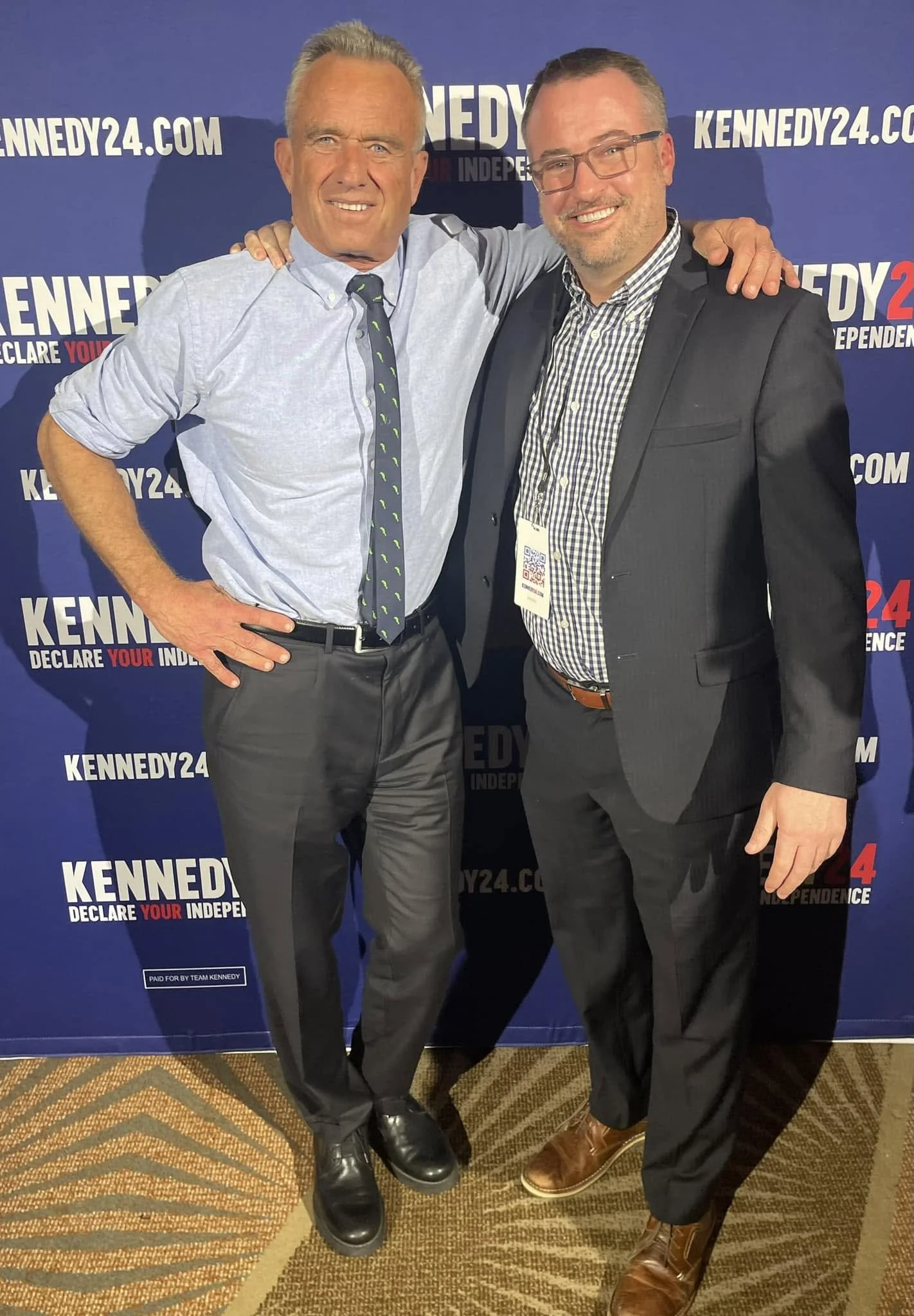
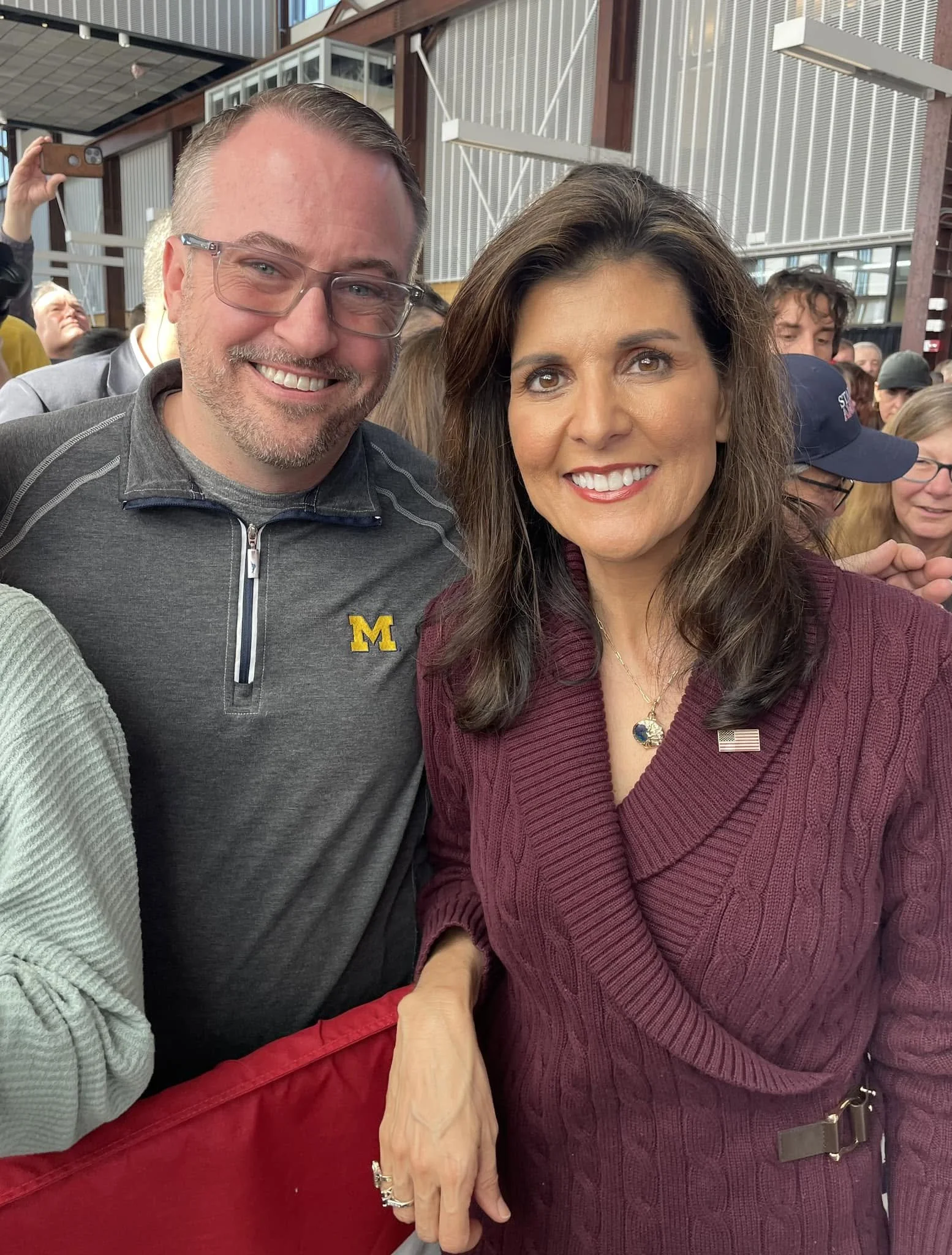
Along the way, he found himself in rooms, rallies and conversations with some of the most recognizable figures in modern American politics—including George H.W. Bush, Al Gore, Bill Clinton, Gerald Ford, Bob Dole, Barack Obama, Robert F. Kennedy Jr. and Nikki Haley.
Those encounters provide the starting points for a much larger story.
What happened to America's middle?
Why does a comfortable middle-class life feel increasingly difficult to attain?
Why do so many Americans feel politically homeless?
Why has an enormous independent and unaffiliated electorate struggled to translate its numbers into political influence?
And why do we continue expecting the people who benefit from the existing political system to be the ones who fundamentally change it?
Our Middle American Life explores those questions through personal stories, economic evidence, political history and an examination of the incentives that increasingly shape American politics.
But this isn't ultimately a book about presidents.
It's about us.
FROM POLITICAL HOMELESSNESS TO POLITICAL POWER
The journey begins with the economic middle.
Homeownership. Financial mobility. Financial security. Enough discretionary income to occasionally enjoy the life you're working so hard to build.
For generations, these were pillars of an American middle-class life.
Today, millions of Americans increasingly question whether those things remain within reach.
At the same time, something striking has happened politically: more Americans have begun identifying outside the traditional two-party system.
Our Middle American Life explores the connection between those two developments—and asks whether America's increasingly frustrated economic middle could also become a more powerful political middle.
Not another political party.
Not another ideology.
Competition.
THE IDEAS
THE WEALTH DIVIDE
What happened to the economic security traditionally associated with being middle class—and why does access to money so often become access to political influence?
POLITICAL KAYFABE
Professional wrestling has heroes, villains, conflict and an audience that willingly participates in the story.
Modern politics can look surprisingly familiar.
Authenticity earns our attention.
But ideas and actions should earn our votes.
THE PARTISAN WALL
Running outside the two major parties isn't simply difficult.
Ballot-access rules, debate requirements, primary systems, campaign infrastructure and other institutional advantages can create a wall protecting established political competition from outsiders.
THE MEH CANDIDATE
What happens when political parties don't have to compete very hard for our votes?
The same thing that happens in almost any marketplace without sufficient competition:
quality suffers.
THE FALSE BINARY
Red or blue.
Left or right.
Republican or Democrat.
Trump or Biden.
But what if the most important political question isn't which side you're on?
What if it's whether you've allowed someone else to decide which choices you're permitted to consider?
THE CONSTITUENT CAGE
Political powerlessness can become learned behavior.
When voters repeatedly hear that alternatives can't win, independent candidates can't compete and voting outside the major parties is a wasted vote, eventually many stop asking whether the system could work differently.
The cage doesn't always need a lock.
Sometimes we simply stop trying the door.
MAGNETS & STEEL
Imagine America's two political parties as magnets increasingly repelling one another.
For years, the political middle has responded like paper—present, but incapable of changing the forces around it.
What happens when paper becomes steel?
The forces change.
The political middle doesn't need another magnet.
It needs to become impossible to ignore.
THIS BOOK IS FOR YOU IF...
You don't feel completely represented by either political party.
You've ever voted for the candidate you disliked least.
You've wondered why seemingly reasonable people become so unreasonable when politics enters the conversation.
You're frustrated by political polarization but aren't interested in pretending every issue has a perfect middle position.
You believe political candidates should compete for your vote rather than inherit it.
You're concerned that the middle-class life previous generations expected is becoming increasingly difficult to achieve.
You've ever looked at the choices on your ballot and thought:
Is this really the best we can do?